久久精品国产国产精-中文字幕久久波多野结衣av-精品久久久久久中文字幕无码vr-亚洲国产一区二区三区波多野结衣-最新国产精品久久精品

Technical document

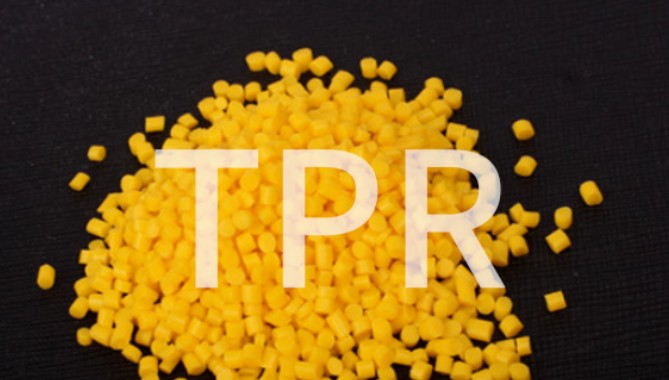
The advantages and disadvantages of TPR materials

2025-05-19 08:43:32 TPR

I. Advantages of TPR Materials

  1. Good Elasticity and Flexibility
    TPR (thermoplastic rubber) materials exhibit rubber-like elasticity and excellent tensile rebound, resisting breakage after repeated bending. They are suitable for dynamic stretching scenarios such as sports shoe soles and shock-absorbing components.
  2. Excellent Processability
    • Can be molded via thermoplastic processes (injection, extrusion, blow molding) with high production efficiency, eliminating the need for vulcanization and reducing energy consumption.

    • Short molding cycles and easy adjustment of product shape/size make them ideal for mass customization.

  3. Good Environmental Performance
    • Some TPR materials are recyclable, reducing waste pollution.

    • Free of harmful substances like phthalates (compliant with RoHS, REACH, etc.), suitable for children’s toys, medical supplies, and other fields.

  4. Diverse Surface Properties
    • Formulations can achieve matte, high-gloss, or foggy surface effects to meet diverse aesthetic needs.

    • Adjustable surface friction enables both high-slip-resistant products (e.g., bathroom mats) and low-friction components (e.g., pulleys).

  5. Weather and Chemical Resistance
    • Better water, oil, and acid/alkali resistance than natural rubber, suitable for outdoor use or liquid-contact scenarios (e.g., automotive seals, kitchenware).

    • Good aging resistance with proper formulation, resisting long-term cracking.

  6. Cost Advantages
    • Simpler production processes and lower overall costs than traditional vulcanized rubber; some TPR can replace silicone at a better price-performance ratio.

    injection mould

II. Disadvantages of TPR Materials

  1. Limited High-Temperature Resistance
    Most TPR materials have a heat resistance of 70–100°C, softening and deforming at higher temperatures. Unsuitable for high-temperature environments (e.g., kitchen components, engine parts).
  2. Poor Solvent Resistance
    Long-term contact with organic solvents like gasoline or diesel may cause swelling or cracking, limiting use in fuel systems and similar scenarios.
  3. High Compression Set
    Under long-term compressive loads, the material is prone to permanent deformation (e.g., reduced sealing performance of gaskets after prolonged use). Requires metal support structures or regular replacement.
  4. Inadequate Ozone Resistance
    Prone to aging and cracking in high-ozone environments (e.g., near copiers or laser printers), requiring additional anti-ozone additives.
  5. Restricted Hardness Range
    Typically with a Shore A hardness of 20–90, unsuitable for ultra-soft or ultra-hard applications (e.g., super-soft tactile toys, industrial wear-resistant parts), where materials like silicone or polyurethane are preferred.
  6. Batch Stability Issues
    Slight formulation adjustments or process variations across batches may cause performance differences, posing challenges for high-precision applications (e.g., medical catheters).
injection mould

Home
Product
News
Contact
主站蜘蛛池模板: 久久成人影院精品777| 亚洲日韩国产中文其他| 国产老太一性一交一乱| 美女视频黄是免费| 亚洲色偷拍另类无码专区| 狠狠88综合久久久久综合网| 免费无码肉片在线观看| 国内精品久久毛片一区二区| 黑森林福利视频导航| 日韩国精品一区二区a片| 97超级碰碰人妻中文字幕| 18?????网站| 精品乱码一区内射人妻无码| 午夜视频久久久久一区| 蜜桃麻豆www久久国产精品| 亚洲aⅴ无码专区在线观看q| 亚洲精品无码成人网站| 成年无码av片在线蜜芽| 性无码免费一区二区三区在线 | 日本少妇被黑人xxxxx| 国产国语亲子伦亲子| 久久久774这里只有精品17| 青青青青久久精品国产av| 一本到亚洲中文无码av| 无码人妻精品一区二区三区夜夜嗨| 亚洲精品www久久久久久| 香蕉人人超人人超碰超国产| 丰满少妇大力进入av亚洲| 欧美丰满少妇xxxxx| 一区一区三区四区产品动漫| 欧洲丰满少妇做爰视频爽爽| 国产色视频一区二区三区| 日韩一区二区三区免费高清| 精品无码久久久久国产| 精品亚洲成a人片在线观看| 国产成人精品亚洲午夜| 人妻av久久一区波多野结衣| 日本丰满少妇高潮呻吟| 欧美牲交a欧美牲交aⅴ久久| 久久人人爽人人爽人人片av超碰| 亚洲欧美综合在线一区|