久久精品国产国产精-中文字幕久久波多野结衣av-精品久久久久久中文字幕无码vr-亚洲国产一区二区三区波多野结衣-最新国产精品久久精品

Technical document

The advantages and disadvantages of TPV materials

2025-05-16 11:10:15 TPV

I. Advantages of TPV Materials

  1. Excellent Physical Properties
    • High Elasticity and Flexibility: Exhibits elasticity close to traditional rubber, maintaining good resilience across a wide temperature range (-60°C to 130°C). Suitable for dynamic sealing, shock absorption, and other applications.

    • High Strength and Fatigue Resistance: Offers higher tensile strength and tear resistance than common thermoplastic elastomers (e.g., TPE), with long-term use resistance to deformation. Ideal for high-frequency stretching or compression conditions.

    • Chemical Corrosion Resistance: Superior oil and solvent resistance (e.g., fuel, lubricants, acid/alkali solutions) compared to most TPE, approaching the level of ethylene propylene diene monomer (EPDM) rubber.

  2. Superior Processability
    • Thermoplastic Processing Characteristics: Can be molded via injection, extrusion, blow molding, or other thermal processes without vulcanization, enabling short production cycles, high efficiency, and low energy consumption.

    • Good Melt Flowability: Melt flow properties are similar to plastics, facilitating filling of complex molds and suitable for precision part manufacturing.

    • Recyclability: Scrap and waste materials can be reprocessed, meeting environmental requirements and reducing costs.

  3. Weather and Aging Resistance
    • UV and Aging Resistance: With stabilizers added, it can be used outdoors long-term, showing better weather resistance than natural rubber and resisting cracking from light, oxygen, or ozone.

    • Stable Performance in Extreme Temperatures: Does not harden or brittle at low temperatures, nor soften or deform at high temperatures. Suitable for extreme environments (e.g., automotive engine compartments, outdoor seals).

  4. Environmental Friendliness and Safety
    • Non-Toxicity: Most TPV materials are certified by FDA, RoHS, etc., making them suitable for food contact or medical applications (e.g., medical hoses, bottle cap seals).

    • Low VOC Emissions: Environmentally friendly TPV materials have low volatile organic compound (VOC) content, meeting environmental standards for automotive interiors.

  5. Design Flexibility
    • Wide Hardness Range: Shore hardness can be adjusted from 20A to 60D, covering soft to rigid material needs. Facilitates co-injection molding with other materials (e.g., PP, PA).

    • Adjustable Surface Properties: Formulations can achieve matte, high-gloss, smooth, or rough surfaces to meet diverse aesthetic and tactile requirements (e.g., handles, pipes).

    injection mould

II. Disadvantages of TPV Materials

  1. Higher Cost
    • Complex production processes (requiring dynamic vulcanization technology) and raw material costs are higher than common TPE (e.g., SEBS-based TPE), approaching or slightly exceeding some rubbers (e.g., EPDM).

  2. Limited High-Temperature Resistance
    • Long-term service temperature generally does not exceed 130°C (special formulations up to 150°C), lower than silicone rubber (>200°C) and fluoroelastomers (>250°C). Unsuitable for ultra-high-temperature environments (e.g., around engine combustion chambers).

  3. Poor Resistance to Polar Solvents
    • Weak resistance to strong polar solvents (e.g., ketones, esters, aromatics), potentially causing swelling or degradation. Material grades must be selected based on specific media.

  4. Sensitive Processing Temperature
    • Strict temperature control (typically 180–230°C) is required during melt processing. Excessive temperatures may degrade the rubber phase and affect performance; too low temperatures lead to poor flowability, resulting in short shots or rough surfaces.

  5. Poor Adhesion to Polar Substrates
    • Weak direct co-injection bonding with polar plastics (e.g., PC, ABS), requiring primer or special interface agents, which increases process complexity.

  6. Risk of Low-Temperature Brittleness
    • While offering better low-temperature performance than most rubbers, some low-hardness TPV grades may exhibit brittle fracture below -60°C. Cold-resistant formulations must be selected for extreme low-temperature environments.

III. Application Scenarios and Selection Recommendations

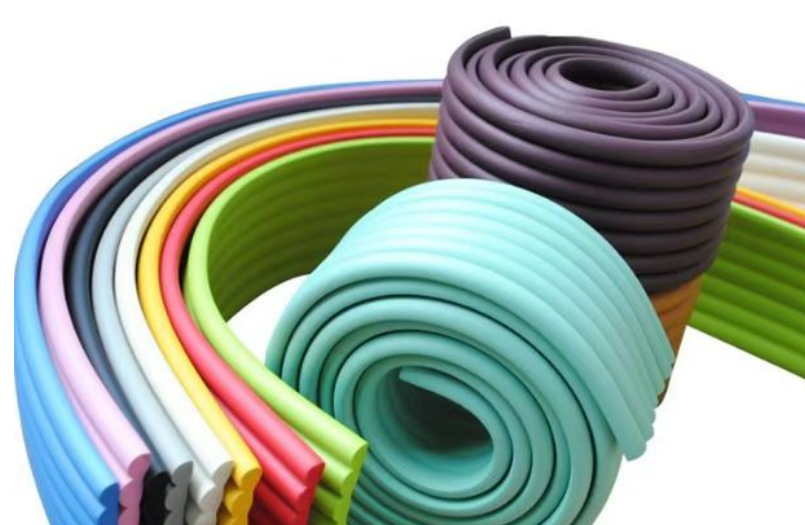
  1. Optimal Applications: Automotive components (seals, dust covers, hoses), electronics (waterproof seals, buttons), industrial products (shock pads, conveyor belts), daily goods (tool handles, sports equipment).

  2. Cautionary Applications: Ultra-high-temperature (>150°C) environments, direct contact with strong polar solvents, or scenarios requiring direct bonding with polar materials without auxiliary processes.

  3. Selection Criteria: Choose appropriate TPV grades based on usage environment (temperature, media, mechanical load), processing method (injection/extrusion), and environmental requirements, considering hardness, weather resistance level, and cost.


Through rational formulation design and process optimization, TPV materials can replace traditional rubbers and some engineering plastics in most scenarios, balancing performance and cost effectively.
injection mould

Home
Product
News
Contact
主站蜘蛛池模板: 99久久无码一区人妻a片蜜| 精品精品国产高清a毛片 | 国产内射老熟女aaaa| 天天天天做夜夜夜夜做无码| 国产精品久久久久久人妻精品 | 欧洲精品不卡1卡2卡三卡| 少妇激情一区二区三区视频| 国产真人做爰视频免费| 久久亚洲精品无码观看| 秋霞午夜成人鲁丝片午夜精品| 国产成人毛片无码视频软件| 久久综合亚洲色1080p| 久久久久久久无码高潮| 国产成人精品999视频| 欧美丰满熟妇hdxx| 欧美最猛性xxxxx免费| 成人午夜福利视频| 日本免费一区高清观看| 天堂√在线中文官网在线 | 免费观看全黄做爰大片国产| 国产一区二区三区在线视頻| 国产高清av在线播放| 久热综合在线亚洲精品| 国精品人妻无码一区二区三区喝尿| 日韩欧群交p片内射中文| 亚洲精品久久久久久婷婷| 精品国产成人高清在线观看| 亚洲国产成人av在线电影播放| 男女后进式猛烈xx00动态图片| 久久久亚洲欧洲日产无码av| 美女露出奶头扒开尿口免费网站| 巨胸美乳无码人妻视频| 成人精品天堂一区二区三区| 99久久国产宗和精品1上映| 少妇私密会所按摩到高潮呻吟| 四虎国产精品永久地址99| 久久久无码中文字幕久...| 久久中文字幕人妻熟女凤间| 亚洲美腿丝袜无码专区| 亚洲第一页综合图片自拍| 性中国妓女毛茸茸视频|