In the new era of sustainable development, bio-based materials, derived from renewable resources, have injected new vitality into precision injection molding. Their advantages in reducing fossil fuel dependency, carbon emissions, and plastic waste pollution have made them a research hotspot in the field.
Bio-based materials are prepared from renewable biomass such as plants and microorganisms. Commonly used in precision injection molding are polyester-based materials like polylactic acid (PLA), polyhydroxyalkanoate (PHA), polybutylene succinate (PBS), and starch-based biodegradable plastics. PLA, fermented from corn starch or sugarcane, features biocompatibility and transparency; PHA, synthesized by microorganisms, is fully biodegradable; PBS offers good processing and mechanical properties; starch-based materials, blended with other polymers, are cost-effective.
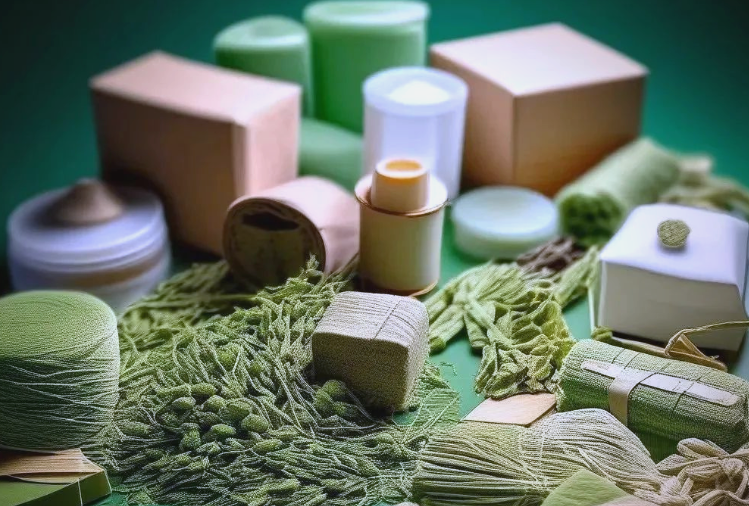
Renewability: Raw materials like corn can be regenerated annually, reducing reliance on non-renewable petroleum.
Biodegradability: Microorganisms decompose bio-based materials into water and CO?, alleviating environmental pollution. For example, PHA products degrade significantly within months under composting.
Environmental Friendliness: They generate lower carbon emissions and avoid centuries-long accumulation in the environment compared to traditional plastics.
PLA is used in disposable medical devices like syringes for its biocompatibility, reducing allergic reactions and simplifying waste treatment. PHA shows promise in tissue engineering scaffolds, providing a degradable microenvironment for cell growth.
Brands adopt bio-based materials for smartphone casings and tablet frames to align with green branding. Modified starch-based plastics, for instance, offer both mechanical strength and aesthetic appeal.
Bio-based plastics in car seats and dashboard casings reduce harmful gas emissions and carbon footprints. Blended PBS materials, with improved heat resistance, balance product durability and environmental responsibility.
High production costs due to small-scale manufacturing and complex processes (e.g., strict fermentation conditions for PHA).
Lower production efficiency from intricate process adjustments.
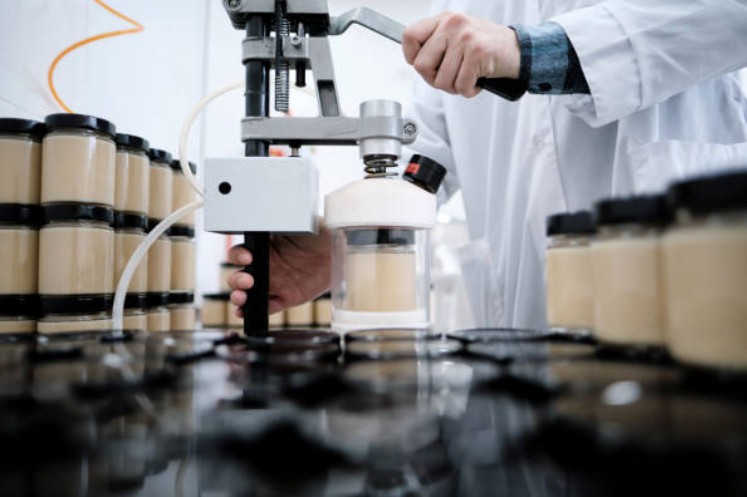
Blending and compounding: Nanocellulose enhances PLA's strength and heat resistance; PBAT improves starch-based material properties.
New materials: Marine biomass and lignin are being explored for high-performance bio-based materials.

Expanded applications in aerospace, food packaging, etc., leveraging lightweight and eco-friendly features.
Integration with intelligent injection molding: IoT and AI enable real-time parameter monitoring and automatic adjustment for quality and efficiency.
Bio-based materials offer broad prospects for precision injection molding, despite current challenges in performance, processing, and cost. With continuous R&D, process optimization, and cost reduction, they will drive the industry toward green and sustainable development, creating both economic and environmental benefits.